

This article is part of VDIT's TechTeek series for organizations in Jordan and the GCC. TechTeek is VDIT's work management product for connecting projects, tasks, tickets, and workflow automation in one operational environment.
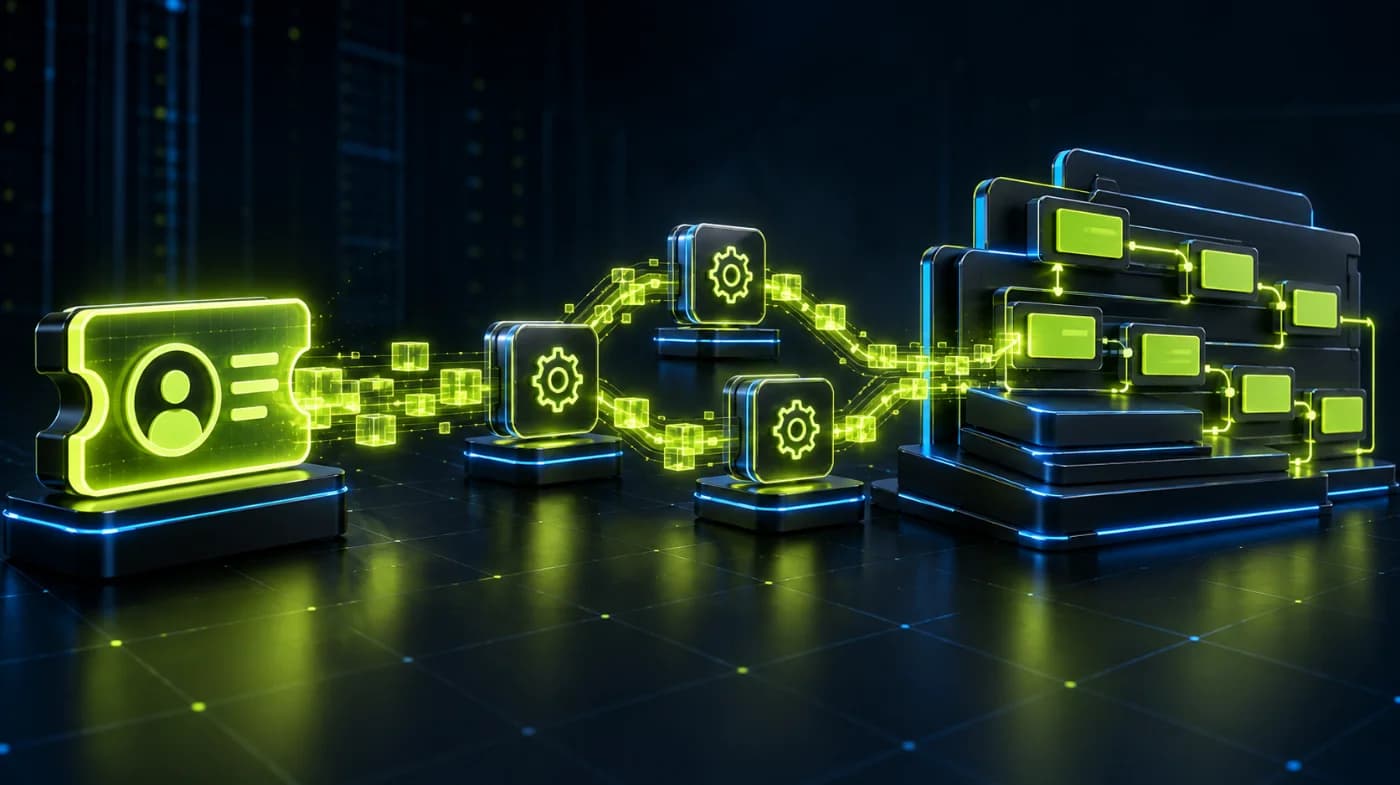
A ticket is often only the beginning: A customer reports a problem. Support captures the request and begins investigating. The issue turns out to require engineering, configuration, design, infrastructure, or a broader delivery change. At that point the ticket is no longer just a support item. It has become work that crosses teams. This is where many organizations lose operational continuity. Support keeps the ticket. Delivery creates a separate task. Engineering creates another item. Someone copies screenshots into chat. A manager opens a project action. The customer still expects one coherent answer, but internally the issue has split into several records.
Separate systems create a broken chain of accountability: The risk is not simply duplicate data. It is unclear ownership between stages. Support may believe delivery is handling the issue. Delivery may complete the technical task without knowing that the customer still needs an update. Engineering may close its item while the original ticket remains open. A strong operating model therefore needs two things at the same time: specialized ownership for each stage and continuity across the entire customer outcome.
Define the escalation path before the difficult ticket arrives: Teams should define what makes a ticket an escalation. It may be severity, customer impact, recurring failure, technical complexity, contractual importance, or the need for another department. Once the threshold is reached, the next actions should be predictable. Who becomes accountable? Is a linked task created? Does the issue enter an existing project? Which priority applies? Who communicates with the customer? What evidence is required before resolution? Designing these rules in advance reduces the improvisation that usually happens during urgent cases.
Keep one customer story even when several teams work on it: Internal teams need different views of the same problem. Support cares about customer communication and service status. Engineering needs technical details. Delivery needs dependencies and scheduling. Management needs risk and progress. The answer is not forcing every team into the same screen. The answer is preserving the relationship between the ticket and the work it creates. A person looking at the customer issue should be able to understand what internal work is happening, while the delivery team should understand why the work matters and what customer outcome depends on it.
Use status design carefully: Status labels can create false confidence. A technical task marked Done does not necessarily mean the customer issue is resolved. A ticket marked Waiting may hide an overdue delivery action. Design statuses around real transitions. Investigation, assigned to delivery, work in progress, validation, customer confirmation, and resolved may represent a more meaningful chain than independent status lists that never reconcile.
Measure the handoff, not only the ticket: Traditional support metrics such as first response time and resolution time are useful, but cross team issues need additional visibility. How long does a ticket wait before another team accepts it? How many escalations are reopened? How often is the customer waiting after technical work is complete? Which categories repeatedly become delivery work? These measures reveal whether the problem is support performance or the operating model between support and delivery.
Where TechTeek fits: TechTeek connects ticketing with tasks, projects, and workflow automation so a request can remain linked to the work required to resolve it. That is particularly relevant for SaaS providers, IT services companies, agencies, BPO teams, and managed service environments where customer issues frequently cross operational boundaries. The platform should support the process rather than dictate it. The organization still needs clear escalation rules, ownership, priorities, and customer communication standards.
Related VDIT Resources and TechTeek Series: Related VDIT Resources • TechTeek • Custom Software Development • Systems Integration and Support • SaaS Industry • Talk to Sales The TechTeek Work Management Series Part 1: Your Team Has More Work Tools Than Ever. So Why Is Work Still Scattered? Part 2: When a Customer Ticket Becomes a Project: Why Support and Delivery Should Not Live in Separate Worlds Part 3: 7 Signs Your Company Has Outgrown Its Project Management Tool Part 4: Stop Managing Internal Requests Through Email and Chat Part 5: What Should a Modern Work Management Platform Actually Do in 2027? Ready to Make Work Easier to Manage? Explore the TechTeek product page to see how projects, tasks, tickets, and workflows can operate in a more connected environment. If you want to discuss your current tool stack and operating process, talk to the VDIT sales team.
Frequently Asked Questions: 1. When should a support ticket become a project task? A ticket should create or link to delivery work when resolution requires planned work outside the normal support flow, such as engineering, configuration, design, infrastructure changes, or coordinated action across teams. 2. Should support and delivery use the same workflow? Not necessarily. Each team may need its own stages, but the relationship between the customer ticket and the delivery work should remain visible so ownership and context are not lost. 3. What information should move with an escalated ticket? The receiving team should have the customer impact, issue description, evidence, priority, relevant history, expected outcome, dependencies, and the person responsible for customer communication. 4. How can TechTeek improve support to delivery handoffs? TechTeek brings tickets, tasks, projects, and workflows into a connected environment so teams can link customer issues to the work required for resolution instead of rebuilding the context in separate tools. 5. Which companies benefit most from connecting tickets and project work? The model is especially relevant to SaaS, IT services, BPO, agencies, managed services, and other organizations where customer requests frequently require work from delivery or technical teams.
A better escalation model A practical model is: capture the ticket, classify impact, investigate, create or link the required work, assign an accountable owner, track the dependency, validate the result, communicate with the customer, and only then close the outcome. That sequence sounds obvious. The value comes from making it visible and repeatable rather than relying on people to reconstruct it manually every time.