Managed IT Services
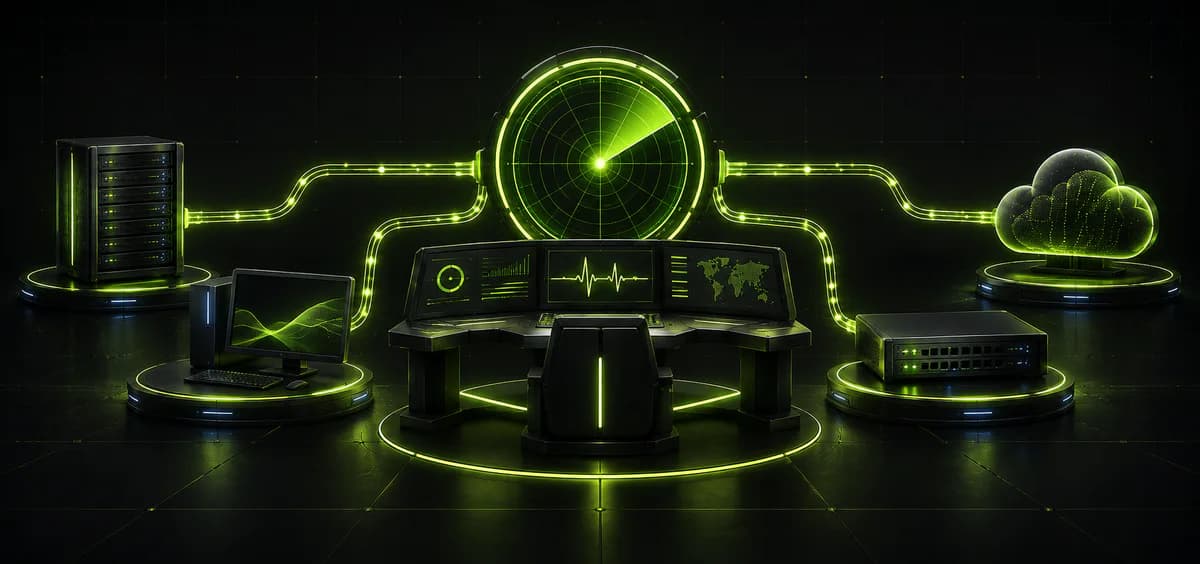
Overview
Keep your IT environment stable, supported, and ready for growth.
Your IT environment should support the business quietly in the background, not become a daily operational problem.
Virtual Data IT provides Managed IT Services in Jordan and across the GCC, helping organizations monitor, maintain, support, and manage their technology environments through a structured ongoing service model.
We support infrastructure, systems, users, cloud environments, applications, and day to day IT operations so issues are identified earlier, response is more organized, and internal teams have a reliable technology partner behind them.
Our Managed IT Services approach focuses on:
- •
Proactive monitoring
- •
IT support & help desk
- •
Infrastructure & server management
- •
Cloud environment management
- •
User & access administration
- •
Backup & recovery management
- •
Patch & maintenance management
- •
IT documentation & reporting
The objective is simple: fewer unexpected problems, faster support, better visibility, and a more reliable technology environment.
What We Manage
Ongoing IT support across your environment:
- •
Proactive Monitoring: Monitor systems, infrastructure, workloads, and critical technology components to identify performance issues, failures, or unusual behavior before they create wider disruption.
- •
IT Support & Help Desk: Provide structured technical support for user issues, system access, configuration problems, troubleshooting, and recurring IT requests.
- •
Server & Infrastructure Management: Maintain servers, infrastructure, operating environments, performance, availability, and routine administration.
- •
Cloud Environment Management: Support cloud infrastructure, hosted systems, virtual environments, workloads, access, and operational requirements.
- •
Network & Connectivity Support: Help maintain network availability, connectivity, configurations, and the technology required to keep users and systems connected.
- •
User & Access Administration: Manage user accounts, permissions, access changes, onboarding, offboarding, and routine administrative requests.
- •
Backup & Recovery Management: Support backup processes, recovery planning, validation, and the operational procedures required to restore critical systems and data when needed.
- •
Patch & Maintenance Management: Coordinate updates, patches, routine maintenance, and system improvements to reduce operational risk and avoid unnecessary disruption.
- •
Application & System Support: Support the business systems, applications, and technology environments employees depend on for daily work.
- •
IT Documentation & Reporting: Maintain better visibility into systems, assets, issues, support activity, recurring problems, and the overall health of the IT environment.
Our Process
A structured transition into managed IT support.
- 1.
Assess: Review your current infrastructure, systems, users, cloud environments, support processes, risks, and recurring technology issues.
- 2.
Define Coverage: Agree on what will be managed, support responsibilities, communication channels, priorities, escalation paths, and service requirements.
- 3.
Establish Monitoring & Documentation: Bring systems under the required monitoring, create operational documentation, and establish a clearer view of the environment.
- 4.
Stabilize: Address recurring issues, configuration gaps, maintenance requirements, and immediate operational risks.
- 5.
Manage & Support: Provide ongoing monitoring, administration, troubleshooting, maintenance, and technical support.
- 6.
Improve: Review trends, recurring incidents, performance, capacity, and future requirements to identify opportunities for improvement.
IT That Runs Quietly in the Background
Your team should notice IT when it helps, not when it fails. Managed IT should reduce the amount of attention your organization needs to spend on routine technology problems. The result should be visible through more proactive support, faster issue resolution, better system visibility, stronger operational continuity, more consistent maintenance, clearer IT ownership, less pressure on internal teams, and technology that is easier to scale.
Different Environments
Managed IT for Different Environments
Support built around the technology your organization depends on.
Office IT Environments
Users, endpoints, access, internal systems, connectivity, and day to day support.
Cloud Infrastructure
Virtual servers, hosted workloads, environments, performance, and cloud operations.
Enterprise Systems
ERP, CRM, operational platforms, databases, and other business critical systems.
SaaS & Digital Platforms
Infrastructure and operational support for applications, APIs, databases, and production workloads.
Multi Location Organizations
Support environments with distributed teams, offices, systems, or locations.
Education & Institutional IT
Support for digital learning systems, administrative platforms, infrastructure, and technology used by staff and users.
Common Signs
When Managed IT Services Make Sense
Common signs your IT environment needs more structure.
We're always reacting to problems instead of preventing them.
The team spends too much time responding after something breaks instead of preventing recurring problems.
Our internal IT team is buried in tickets with no time for anything strategic.
Your internal team is busy with support tickets and maintenance instead of higher value technology initiatives.
If one person left tomorrow, we're not sure who'd know what to do.
Too much knowledge, access, or responsibility sits with a single employee or external technician.
Downtime keeps interrupting our operations.
Servers, networks, applications, or cloud systems are creating recurring interruptions for employees or customers.
We're adding systems and users faster than our IT team can keep up.
More users, systems, offices, cloud workloads, and applications are creating more complexity than the current support model can handle.
Leadership has no real visibility into what's actually going on with our IT.
Leadership does not have a clear view of recurring issues, system health, support demand, or infrastructure risks.
Break Fix vs. Managed IT
Managed IT vs. Break Fix Support
Move from reacting to problems to managing the environment. Managed IT does not eliminate every technology issue — it creates a more structured way to prevent, identify, respond to, and learn from them.
How does support begin?
Break-fix support starts after something stops working. Managed IT continuously monitors systems so issues can be identified before they disrupt the business.
How are issues handled?
Break-fix treats issues individually as they arise. Managed IT follows a defined process for identifying, prioritizing, and resolving them.
Where does technical knowledge live?
Break-fix knowledge is often fragmented across whoever handled the last issue. Managed IT documents the environment as an ongoing operational responsibility.
How predictable are the costs?
Break-fix costs can be unpredictable and tied to unplanned incidents. Managed IT is built around planned maintenance and defined coverage.
What happens to recurring problems?
Under break-fix, recurring problems may continue without the underlying cause being addressed. Managed IT is structured to identify and reduce them over time.
Why Virtual Data IT
Managed IT Services in Jordan and the GCC
Organizations in Jordan and across the GCC are operating increasingly complex IT environments built across cloud infrastructure, enterprise systems, digital platforms, remote users, applications, and connected business processes. As that environment grows, relying entirely on reactive support becomes difficult to scale.
Regional Coverage
Virtual Data IT supports organizations in Jordan, Saudi Arabia, the United Arab Emirates, Qatar, Kuwait, Bahrain, and Oman.
Fewer Unexpected Problems
A managed model identifies and addresses issues before they escalate into wider disruption.
Faster Support
Defined monitoring and support processes mean issues are caught and addressed more quickly.
Better Visibility
Ongoing documentation and reporting give leadership a clearer view of the technology environment.
Build a more reliable IT support model
Tell us about your infrastructure, systems, users, recurring IT issues, and current support model. We'll help you determine what should be monitored, managed, maintained, and supported on an ongoing basis.
Discuss Your IT EnvironmentFAQ